Showing posts with label uk. Show all posts

Thursday, 26 December 2024

Petition Negotiate with EU to end the 90 day limit on staying in Schengen area countries


Negotiate with EU to end the 90 day limit on staying in Schengen area countries

We want the government to negotiate with EU to end the 90 day limit on staying in Schengen area countries without a visa. We think this rule detrimentally affects many people as well as and the relationship between UK and EU

.https://petition.parliamen no not.uk/petitions/702491


Tuesday, 13 August 2024

some interesting facts on immigration figures

 taken from various sources listed on google


How many asylum seekers does the UK take compared to other countries? In the year ending September 2021, Germany received the highest number of asylum applicants (127,730) in the EU+, followed by France (96,510). When compared with the EU+ for the same period, the UK received the 4th largest number of applicants (44, 190 – including main applicants and dependents).

Turkey is the single biggest host country for refugees. Most refugees living in Turkey come from Syria, where an ongoing conflict has displaced families since 2011

Malta (28.3%) and Cyprus (22.7%) completed the top 3 EU countries with the highest shares of foreign-born population. In contrast, the lowest shares were recorded in Poland (2.5%), Bulgaria (2.6%) and Romania (2.8%)

Montenegro is now the country in Europe that has received the most refugees per capita, and ranks sixth in the world. Moldova, one of Europe's poorest countries, is also among the countries in Europe that have received most refugees in relation to their population, having taken in over 100,000 Ukrainian refugees.

Other European countries including France receive many more asylum applications than the UK. The people who do come to the UK to claim asylum represent a tiny proportion of refugees globally. Here are some of the factors that lead to them seeking protection here. Family and community.

Around 174,000 Ukrainian refugees had moved to the UK under the Ukraine Family Scheme and Ukraine Sponsorship Scheme as of 9 May 2023, following the military invasion of Ukraine by Russia on 24 February 2022.

Poland has taken in almost 1.5 million Ukrainian refugees. The migration has resulted in a 50% rise in the population of Rzeszów, the largest city in south-eastern Poland.

In 2023, the most common origin region of asylum seekers was Asia and the most common single nationality was Afghan. In previous recent years, the Middle East was the most common origin region, with Syrian and Iranian the most common nationalities.

Two in three asylum seekers in the Uk are turned down, the highest rate in Europe. 338 million people live in the EU. 27.3 million are no-EU citizens. 42.4 million(9%) were born outside the EU


UK POPULATION

An estimated 5.5m British people live permanently abroad – almost one in 10 of the UK population. The emigration of British people has happened in cycles over 200 years.

The UK's foreign-born population increased rapidly between 2004 and 2021. According to data from the latest Census – which combines 2021 data from England, Wales, and Northern Ireland with 2022 data for Scotland – it stood at 10.7 million

The difference between non-British living in the UK and British people living outside the UK is about 5 million. Uk population is about 70 million

How many asylum seekers does the UK send back? The Home Office can remove people with no legal right to stay in the UK, or refuse to let them enter. In 2023, 6,014 people who were not granted asylum were returned to their home country .

The latest ONS population estimates for the whole of the UK suggest that, in the year ending June 2021, there were:

  • 6.0 million people were living in the UK who had the nationality of a different country (9% of the total population). ...

  • 3.4 million EU nationals (excluding UK) were living in the UK.

India, Poland, Pakistan, Romania, and Ireland were the most common countries of birth among UK migrants in 2021/22. Together, the top five countries of origin accounted for 32% of all those born abroad.

As of the year ending June 2022, there were an estimated 10,388,000 people in England and Wales who were not born in the UK. This accounts for approximately 14.8% of the total UK population.

Do more people leave the UK than arrive?

In the year ending June 2022, around 471,000 British people emigrated to other countries, while up to June 2023, this number rose to 508,000 Brits leaving the UK.

In 2022, there were around 13 asylum applications for every 10,000 people living in the UK. Across the EU27 there were 22 asylum applications for every 10,000 people.

Up to 76% of Australians, 48% of Canadians, 33% of Americans, and 3% of South Africans have ancestry from the British Isles. Additionally, at least 270,000 Argentines have some British ancestry. More than 300,000 Indians have some British ancestry, but comprise less than 0.1% of India's population.

How many people in Britain receive benefits?

From November 2019 to November 2020, the number of UK nationals claiming WA benefits increased by 34% to 8.3 million, while the number of claimants from Non-UK nationalities increased by 61% to 1.6 million. For both groups this was the largest year on year increase since November 2013.

An estimated 21,500 people received settlement in the UK under the two main schemes for resettling Afghans, ARAP and ACRS, as of 30 June 2023. Of the roughly 21,500 people given status under ARAP and ACRS to 30 June 2023, 70% arrived in the evacuation of Kabul.

How much do immigrants contribute to the UK economy?Statistics Showing the Impact of Immigrants on the UK Economy and Society. The economic and societal impacts of immigration in the UK are significant. According to the Office for National Statistics, migrants contribute approximately £83 billion to the UK's economic output annually.15 Apr 2024

Are refugees good for the economy in the UK? Skilled refugees are contributing nearly £1 million each year in income tax and national insurance thanks to UK government pilot schemes to help those fleeing their homes find employment, helping to boost the UK economy and enabling businesses to access the vital skills they need.


Tuesday, 25 April 2023

Sunak and the UK emergency broadcast test


It will not surprise me if they start sending out emergency broadcasts at the cost of millions to the public purse to line the pockets of the super rich again

Saturday, 24 December 2022

Christmas strikes strike down the joy for many


This may not be a very popular post but really, postal workers striking on Dec 24th, trains striking over Christmas? 

Surely the people that will suffer from this are the people, not the bosses, not the shareholders, not the government, not the millionaires. 

Make no mistake I do believe these poorer workers and especially nurses, ambulance drivers etc, should get a better salary, I do agree that MP's awarding themselves continuing bonuses and expenses is atrocious, that energy companies and others are making unreasonable profits by charging outrageous fees which we seem to be able to do nothing about – my own gas bill is three times that of last year, I notice how the price of many essentials even in my local Coop shop have increased ridiculously n the last few days, even locally produced eggs - which I attribute to greed not events in Ukraine or simply Brexit - but could not these strikes be held when they hit less hard the people at this time of year who want to see their love ones? 

So the people may have to wait until after Christmas to get their cards, the children may have to wait to get their gifts, people may not be able to travel by train to see their families - and I have to say that I think that a shame. 

Somebody said to me "the Government will not listen and will not act, what else can they do?" My own answer is to strike at other times, times when it would hit businesses and the economy and not the general public that have no say. 

I expect a few will disagree with me but hey, just remember neither you nor I really have any say in all this, and that is the problem.


Saturday, 20 November 2021

My view on the present UK cannabis campaign and activities

This is my view on the present UK cannabis campaign and activities

Within the UK:

It seems that WTU is struggling to raise the funds to bring the legal action against the government that Phil Monk intended and is otherwise lacking direction - for that legal action hundreds of thousands of pounds will be needed and WTU has about ten grand, we are told. Also waiting to see the outcome of Outlaw's Judicial Review as he has the funds and a legal team. WTU has had problems with FB taking down their group - twice, and accusations of misappropriation of funds due to lack of transparency in accounting and then the volunteer accountant resigned due to the very same accusations they were meant to dispel. WTU has amassed evidence to support their case which is now available through Amazon in the book The Fight for Rights and Freedom of Choice, Phil Monk is not in the best of health either. Support had dropped off, there is a forum but it so far is not being used much.

SOF have been producing reports and considering a Judicial Review on the way in which driving impairment charges are based upon blood samples rather than driving ability - again funds are needed.

Personally I would like to see WTU and SOF combine as WTU is also so dependent on Phil's health and availability which is not so good, and rather than splitting the energy maybe that would make better focus.

As you say, not a lot of activity from UKCSC which was in any case largely based on picnics in parks which were put on hold due to Covid restrictions, and a long way from the transparent members-only collective growing of the original Spanish and Belgian Cannabis Social Clubs.

NORML UK does not seem to be active either.

The cannabis political party in the UK idea does not seem very popular since the days of LCA, despite CLEAR and CISTA. Personally I believe a political party did give campaigners a platform and attract press.

Also there seems to be very little effort put into "Letters to the Editor" which in my opinion can be one of the most cost effective means of campaigning and getting the message out there. But it takes consistent effort. And few groups seem capable of issuing regular Press Releases.

There is also the GYO campaign and the Human Rights campaign.

Again IMO the human Rights campaign which basically accuses the Government of Crime and regards the people in court as mostly victims of misuse of power and wrong application of law and covers private and religious / belief activities that pose no threat to the public or public health, would cover GYO for own use and social sharing.

In the UK there were several attempt to get court cases dropped, noticeably Lezley and Mark Gibson - their case was dropped on the understanding that they stopped growing and accessed their medicine through private prescription. Tony Bevington had similar conditions put on him to avoid prosecution.

In the UK the cancard incentive - a card that people that use cannabis for medicinal reasons and costs £30 and an annual fee can be presented to police and seems, as they report, to have had some success in avoiding prosecution and confiscation for cannabis being carried on the street in small amounts - they say they are trying to expand it to give some form of immunity to people growing their own for their own medicinal reasons. Cancard also has some opposition from other groups and campaigners that feel it is limited and avoids the real issues, also somebody seems to be makinga lot of money.

Meanwhile we are hearing a lot about CBD and even TV and magazines are full of advertising for it.


Saturday, 9 May 2020

Reader Letter: Isolating over 70s is age discrimination


Reader Letter: Isolating over 70s is age discrimination

PUBLISHED: 09 May 2020 Eastern Daily Press

Tim Bornett

The government is considering proposals to ask all those over 70 to self isolate irrespective of health factors. Hopefully this will not be taken on board.

By gradually easing the lockdown it will sound strange if senior citizens have increased restrictions.

Many people in their 70s and 80s are fit and active. They would wonder why, for example, an obese 40 year old and a heavy smoker may have any restriction lifted but senior citizens being asked to stay at home.

Many members of both Houses of Parliament are over 70. Many scientists are as well together with other groups who no doubt like to get out to do some exercise.

To segment the over 70s from the rest of society is age discrimination and could cause severe resentment especially if the government decides younger people could exercise at least twice a day.

I urge people who feel strongly to contact their MPs with the view for the latter to lobby the government and to express concerns over this potential age discrimination.

Monday, 4 May 2020

Japanese island suffering second wave of coronavirus after lifting lockdown too early

Just remember in the UK the Government has managed this virus crIsis poorly from the start - so just because they are easing the lockdown does not mean everything goes back to normal:

PLEASE continue to avoid crowds, respect social distancing, avoid public transport if possible, wash hands and shopping.

Remember how Boris delayed the official lockdown, failed to secure adequate Personal Protection Equipment for hospitals and care homes, failed to buy enough ventilators, boasted about shaking hands in hospitals and then got sick himself, falsified death figures - all almost certainly resulting in more cases and deaths. CONTINUE TO TAKE CARE OF YOURSELF AND OTHERS. AVOID A SECOND WAVE.

Japanese island suffering second wave of coronavirus after lifting lockdown too early

A northern region of Japan is experiencing a second wave of coronavirus infections - and deaths - that experts say could have been avoided if the state of emergency had not been lifted too early.

The island of Hokkaido had been held up as a model of how to control the spread of the virus, but it has now become a case study for the impact the disease can have if a lockdown is relaxed too soon.

And experts say they hope that other cities and nations that are toying with the idea of lifting restrictions on travel, work and schools can learn from Hokkaido’s experience.

Naomichi Suzuki, the prefectural governor, on February 29 declared a state of emergency in response to a sharp increase in coronavirus cases, all of which could be traced back to the Sapporo Snow Festival at the beginning of the month. The annual event attracted more than 2 million people to the city, with local health authorities treating a Chinese tourist from Wuhan who had contracted the illness before arriving in Hokkaido.

Despite the state of emergency, 118 people were being treated for the virus by March 12, making Hokkaido the worst-hit of all Japan’s 47 prefectures.

In tandem with the state of emergency - under which schools were closed, large-scale gatherings were cancelled and people were officially “encouraged” to stay at home - the local government introduced aggressive measures to trace and isolate anyone who had been in contact with victims. The approach appeared to have been effective and, just a week later, the number of new cases had fallen to one or two a day.

Assuming that they had weathered the storm - and keen to get the local economy operating again - local authorities lifted the state of emergency on March 19, with schools and businesses reopening.

With hindsight, experts agree, it was too early and, just 26 days later and after 135 new infections were reported in the space of a week, the lockdown was reimposed on Hokkaido’s 5.3 million residents.

“At the time, we didn’t have enough information and we did not have an adequate understanding of this disease”, said Yoko Tsukamoto, a professor of infection control at the Health Sciences University of Hokkaido.

“And, given the information that was available - that new cases were down to one or two a day - it could be argued that the governor made the right decision in lifting the state of emergency”, she told The Telegraph.

“We know that was the wrong move now, but then it seemed the best thing to do”.

The lessons that other authorities will have to learn if they want to protect their residents are clear, Professor Tsukamoto said.

“These lockdowns and states of emergency will have to be lifted eventually, but the lesson is to wait as long as possible, to get accurate data on infection numbers and to be very, very cautious when the rules are relaxed”, she said.

“And the authorities have to be ready to move quickly and put the restrictions back in place at the first sign of another surge”, she said.

The Japanese government is planning to extend the state of emergency over the new coronavirus pandemic by about one month for the entire country, the Nikkei business daily reported on Wednesday.

The state of emergency is currently scheduled to end on May 6.

Thirty-eight new cases were reported across Hokkaido on Tuesday, bringing the total number of infections to 688, the fifth-highest in Japan. The illness also claimed one more life, raising the death toll to 27.

In a nation of 127 million people, there have been 13,576 cases and 376 deaths to date, although the Japanese government has been criticised for limiting the number of tests that are conducted on suspected coronavirus patients and the true figure is likely to be significantly higher.

Wednesday, 15 April 2020

UK Government mismanaged Covid 19 Corona Virus crisis from the start

Boris Johnson and his cronies mismanaged this virus from the start, in fact long before the start - it must be obvious even to an idiot that health is the priority in any good society - or even "herd", as Johnson called us - and nothing should be considered more important than servig the health services, for without life and health we have nothing meaningfull to strive for.

Thursday, 9 April 2020

UK Government bringing Brits home from abroad, no testing, no isloation, released to public transport all throughout the country


Foreign Secretary's statement on coronavirus COVID-19, 6 April 2020

""On commercial flights we’ve helped over 200,000 UK nationals come home from Spain, 13,000 from Egypt, 8,000 from Indonesia.

We’ve also chartered flights from 7 different countries, bringing home more than 2,000 British nationals.

"We’ve repatriated a further 1,550 from cruise ships, including most recently the Coral Princess and the Zaandam.

""And for those travellers still stuck abroad, we’re doing everything we can to keep international airports open, to keep commercial flights running, and to charter flights, when there are no other options – under the new arrangements I announced last week, and which have now been agreed with 14 airlines.

We’ve allocated £75 million to support those arrangements. We’ve already had flights back from countries including Peru, Ghana, and Tunisia.

"And we’re fixing further flights from India, South Africa, Nepal and the Philippines, which will fly later on this week.

"So, I want to reassure people that every arm of government is doing everything it possibly can to defeat coronavirus and rise to the challenges it presents us at home and abroad."

Sunday, 22 May 2016

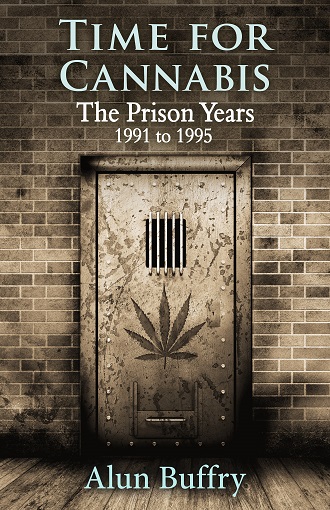
TIME FOR CANNABIS - THE PRISON YEARS 1991 TO 1995 - INTRODUCTION

Ever wondered what it's like to spend time in prison for helping not harming - this book may give an insight into the harm done by the system and how it could be changed to bring out the goodness.

Now at Amazon as PAPERBACK and Kindle


Time for Cannabis - The Prison Years" is a true-life story of the journey through arrest, time on remand, trial and conviction and time served in 4 UK prisons.
This book is a valuable comparsion of prison regimes and personal experiences of the damage and the healing possible, and how the treatment of prisoners can affect them upon release.                                           
All this in prisons that claim their aim is to treat inmates with humanity.

 This book is not meant to be humorous, although a certain amount of humour is unavoidable, partly because the nonsense and inconsistencies which I came up against during my time served, and partly because sometimes it hurts so much that one has to either laugh or cry. I fully intend to criticise the prison and the court systems, but not, I hope, unnecessarily, and, I also hope, positively.

This is not meant as a horror story, a fiction, or an analytical work, although I will admit in advance to colouring and flavouring events, changing names, and interspersing actual events with thoughts of the occasion. This is to increase the readability of what might otherwise be a very 'flat' book, considering the flatness of the system.

I consider myself very fortunate, even in this experience, as I have previously travelled to many different countries, and witnessed the different languages and customs therein, which I feel has enabled me to adopt a more detached and somewhat enlightened attitude to the strangeness which I constantly experienced. Many inmates are either the well learned ‘old lags’ who have been in and out of the system for years, or else are younger and more naive.

I was also fortunate to have already received an education, thus being able to further it using the institution's facilities and classes, able to write and read easily, unlike many of my comrades, and thus help the time pass easily and productively. I was also fortunate enough, for want of a better phrase although it may sound as selfish as it is, to have first arrived at a prison along with some acquaintances, and to recognise a few faces already there who I could turn to for help with day to day life. Once again I sympathise greatly with the young, scared and lonely convict or detainee.

Although it is only natural that I feel some anger and resentment against the way I have sometimes been treated, in particular by the courts, this emotion has never overwhelmed me.

I see so many things wrong with the world that Mankind has created, not least the way in which selfish and greedy individuals have polluted our beautiful planet and continue to do so, perhaps to the point of no return and the devastation of possibly all life. I fail to see how the Governments on this world, who often seem to me to be evil, can allow the future to develop in this way, ruining the chances of happiness and health for their descendants. In the sixties I grew up under the constant threat of nuclear devastation imposed by individuals so many miles away, whose identities would never be known to most of us. But this being bad enough, at least there was a chance of survival.

As the sixties have become the nineties there are so many problems in this world, any one of which will destroy us as individuals or as a race, including Aids, acid rain, radiation poisoning, the 'Greenhouse Effect', the ozone depletion, the pollution of the air, sea and land, space junk, chemical additives in our food and water, and on and on and on.

Add to this unemployment and the violence shown on TV, in video’s and in the press, to the point of saturation and ‘normality’, and it is less surprising what is happening on our streets. It has been said that by the age of twelve the average American child has witnessed several thousand murders on the screen, and doubtless a similar figure is true for British children.

In the East they say life is cheap, and death is all around, and certainly it seems that in many countries where overpopulation has become such an everyday burden, there are constantly civil wars or violent freedom fighters whom the various governments call terrorists. But do the governments and industrial bosses realise the terror which they daily cause us in our lives, through their greed? Is it surprising there is so much violence and crime in the country?

Advertising is a strange practice to apply to people who are unable to afford the goods or services advertised, and although increasing sales amongst the select few, causes nothing but unsatisfied desire amongst everyone else. Consider this story. It concerns a village deep in the heart of the Egyptian desert near Libya. I forget the name, but that is unimportant. This small oasis settlement had been there for hundreds if not thousands of years, the locals content to grow what they could, and keep their livestock. In years past they may even have profited from accommodating the occasional traveller. They were certainly unlikely to attract any tourists, unless some big archaeological discovery was ever made. Being short of power, having no electricity and little means of producing it, they were unlikely to attract much big industry.

The locals remained poor people, but never starved. They were basically content, having what they needed and most of what they wanted. This is the point: they had most of what they wanted, or rather most of what they knew about that they could want. Of course they may have wanted a better doctor, a panacea, a magic carpet, but these were merely dreams.

One day however, one of the locals had to traverse the desert to Cairo, for personal reasons. Suddenly, instead of being surrounded by friends and sands, he found himself in a huge city, some fifteen million souls, tall buildings, thousands of cars, buses, trucks, bicycles, people in all style of dress, restaurants, businesses and even more foreigners than the population of his home village. What did he see? Advertising. Somehow he managed to get hold of a television, battery operated, and having been shown how to work it, he took it home with him.

Fortunately, or maybe not so, they could pick up signals in the village and they were able to watch films, news and documentaries about a country and a world they never new existed. The children and young men were, of course, able to watch too. And what did they see? Advertising Young mini-skirted girls drinking cola, cowboys with their special cigarettes, the blond bombshell in the tight jeans, the fast car and the gorgeous lady who went with it, watches, stereos, holidays, household appliances and magical gadgets, and so on.

So, what happened to their simple needs and desires? They multiplied out of all proportion. They wanted all these things too, but of course they had no money so they could only dream on in frustration. Until one day three or four young men themselves set off to Cairo, where the streets were paved with gold and one could make enough money to buy some of the well and ‘successfully’ advertised wares. Unfortunately when they got there they found not thousands but millions of people in the same position, unemployment ridiculously high, the city impersonal and apparently uncaring, and their chances of even getting enough food for tomorrow rapidly dwindling. But not everybody was poor. Some people had cars, wore expensive watches and clothes, and drank cola, and presumably had many more modern goods to make their lives apparently easier and happier. So what did our young and impressionable brothers do? They stole. They broke into a house and took what they could. Unfortunately these men were nothing of the professional burglar, knew nothing of finger prints and forensics, and were soon caught. The result? Four more inmates in the hell hole of Cairo prison. Once again the advertising agents had done their job well, convincing the people that they needed the junk they had to sell!

Of course the situation in Britain is not as extreme, but nevertheless it is surely obvious that if one successfully creates an intense desire for something, in the minds of often uneducated and impressionable people, in a time of unemployment when their cash is hard come by, at the same time blasting them with crime on the TV, something somewhere is going to give. A percentage of them, being unable to earn an honest buck, will hit the streets, either taking what they want through robbery and theft, or dealing in drugs or stolen property, prostitution, or any of the many other ways of getting a ‘few readies’.

This is why the prisons are so full. Add to that the people who drink and drive, maybe take drugs steal to get money for their next hit to lift them out of their boredom and fears, everybody taxed beyond what they can afford, and the prison population begins to overflow.

Having stated that as my beliefs as to why so much crime occurs, I now have to say that this was only a very minor cause of my conviction. I will not in this book, attempt to discuss my personal level of guilt or innocence, but I would like to stress the view I had of my offences at the time.

My charges were concerned with cannabis, a so-called drug. Having consumed it for a number of years, and met untold people in nearly every country I ever visited, smoked with young and old, people new to it and those who had smoked very heavily for very many years, for social, recreational and also ‘spiritual’ purposes,

I did not and do not understand why it remains illegal! In its pure uncut form it certainly seems to have done me no harm, or anyone I have met.

No matter how much one consumes there is no danger for a reasonably balanced person. It has been said that the fatal dose is two kilos, dropped on the head from a great height! There is no heavy withdrawal, no side effects.

The real problems are that it is often cut with possibly damaging impurities, ranging from sawdust to barbiturates, solvents to boot polish and evencow shit, by the less than scrupulous illegal suppliers; that it is normally mixed with the legal and deadly poisonous tobacco; and that it remains illegal and therefore in the control of the underworld. The so-called controlled drugs are controlled not by the Government, who should concern themselves with the lack of purity of consumables, but by crooks.

Added to this are the many acclaimed medical benefits of cannabis to sufferers of ailments such as multiple sclerosis, glaucoma, asthma and arthritis, its pain-killing properties, and relaxing properties, and the uses of the plant - hemp, for the non-polluting manufacture of paper, linen, rope - all the old maps, Bibles, sails, ropes etc were made from hemp - its use as a food supply (seeds crushed to make gruel are highly nutritious) for humans and animals, and its use as a clean, renewable (two crops a year) and highly efficacious fuel, cannabis is probably the most versatile God-given substance on earth! Of course, it makes some people apparently lazier, but not all, and many of these become more creative even if only privately.

There is a vast amount of music and art forms produced under the effect of cannabis.

About 5% of the population admit to having used it regularly, and in private a great many barristers and other professional men. In private a great many individuals agree that it should be legalised, but are, like the majority of people living under Nazi control who witnessed the inhumane treatment of the Jews, too afraid for their own careers, and freedom, to speak out. The anti-legalisation lobby seems to be left, nowadays, with the completely unfounded statement that it ‘leads to other drugs’. True, 95% of hard drug users confess, when asked in a weighted question, that their first illegal substance was cannabis. But only 5% at most, of cannabis users ever take hard drugs. It is rather like using the argument that 99% of convicted armed robbers admit to owning water pistols as children, to bring about the prohibition of possession and sale of water pistols! Meanwhile, whilst those in authority and positions of respect usually remain silent, and the various campaigns for legalisation are left in the hands of often unemployed and outcast folk who have little or no experience of organisation, thousands of users and dealers remain in prisons, and millions risk their health by consuming street ‘crap’.

Let’s face it, even with the risk of incarceration, people still use it and will continue to use it, and continue to line the pockets of crooks, so it is really time that some government opened its own eyes, legalised it, took control of quality, gained revenue through taxation, and saved the time of police, courts and prisons. So, having said that, why was it suddenly made illegal in the 1920's? Some political reasons? Strange how the banning of cannabis and hemp suddenly created a vacuum in the supply of ropes and fabrics, shortly before the industrial giants put nylon on the market, and the huge petrochemical companies marketed their synthetics and polluting alternatives. I sometimes wonder if there was a connection.

I am not trying to excuse breaking the law. The law is the law, right or wrong, and the country cannot survive without laws. Judge Pickles, himself an advocate for the legalisation of all drugs, was correct when he said that people should not be allowed to pick and choose which laws to keep and which laws to break, that sort of freedom would be disastrous. Neither should such offenders be given leniency. In prisons there are many who would legalise all sorts of unpleasant things which they have been incarcerated for. Yet it is true, in the cases of the suffragettes and also the homosexuals, who sought to change the law by breaking it, that it can eventually lead to publicity and success.

I would, however, stress that very many people with similar experiences to me, never had any intention of hurting anyone, and mostly have never broken any other laws. Their preference for cannabis over alcohol and sedatives, has, nonetheless, resulted in their doors being kicked in, humiliating strip and personal searches, hours of solitude in filthy police cells and extended interviews often interspersed with secret threats and insults, confiscation of assets, collapse of businesses or careers, long periods in prison equivalent to sentences for armed robbery and often greater than for rape offences, and general alienation from their families, friends and society in general.

Why? All because they wanted to get high! Cannabis is used in prisons probably more than on the outside. The staff, I have been told more than once by members of that elite group, tend to turn a blind eye - it keeps the inmates quiet.

So, back to this book, like I say it is not the place to discuss guilt or innocence. Although I can hardly avoid ‘having a dig at the system’ and those who perpetuate it, that is neither my purpose.

Rather I want to present the prisons through my eyes, the eyes of an educated and travelled, non-criminally minded, and, as those who know me will agree, harmless forty year old male from Wales. I felt that by helping to organise contacts and introductions between suppliers and customers, I was helping people by enabling them to get a clean supply, by keeping them away from alcohol, hard drugs, and the dreadful tranquillisers and sedatives, benefited people.

Educated as a scientist at university, I was taught to examine the facts for myself, and not to blindly accept everything I was told.

This is all I ask of you the reader, to consider the evidence with an open mind; those who accept orders and laws without question are the true fascists.

The book is divided into four sections: the first will cover the nightmare of remand in custody.

The three prisons which I entered were category B, a maximum security, and a low security C category. I was on wings separated from the so-called vulnerable prisoners, as we call them, ‘nonces’, guilty of horrendous crimes which should not ever be even imagined.

Amongst the prisoners with whom I lived the hatred of the nonces was universal.

As for the others it seems that the longer the sentences the more respect the inmates had for each other. A man two or more years into a ten or twenty year sentence has an entirely different attitude towards his surroundings than a short-timers who is only ‘passing through’.

The main problems for the long-timers are the poor living conditions, being isolation from family and friends, and institutionalisation.

Frustration and helplessness, anger at the treatment of self and others, an authoritative hypocrisy, are what causes violence amongst these men.

This book is an attempt to portray what I saw and felt at the time.


Saturday, 25 May 2013

NORML UK Conference is huge success BY Deej Sullivan

NORML UK Conference is huge success

Deej Sullivan
NORML UK

Wednesday 22 May 2013


On Saturday the 18th and Sunday the 19th of May 2013, NORML UK held its inaugural AGM and conference at the Malcolm X Community Centre in Bristol. The event included eminent speakers including Tom Lloyd (ex-Chief Constable of Cambridgeshire Police), Annie Machon (ex-MI5 agent) and Rowan Bosworth-Davies (ex-Detective Inspector with the Metropolitan Police), among others, and drew cannabis campaigners and supporters of drug law reform from across the British Isles and beyond.

All of this was the culmination of the hard work put in over the last 12 months since NORML UK's inception, and the great success of the weekend in bringing everyone together and galvanising thoughts and ideas into actions, will hopefully lead to another huge 12 months ahead of us.

The festivities kicked off on Saturday morning with the AGM where members were asked to vote for nominations to the various executive positions within NORML. Thankfully for those of us who had journeyed to Bristol that morning and were perhaps a little bleary-eyed and in need of a strong coffee and a sativa, the formalities were dealt with swiftly and in typical toker fashion. All incumbents were reelected, although there were a few new positions added and voted on and one or two names of positions were changed. Details of those will be released separately.

After the AGM, the first of many breaks was announced and most people moved outside where some gazebos had been erected. The atmosphere was extremely friendly and chilled out as everyone got to know the many new faces that had come along, and caught up with old friends from within the movement. The loudest voice amongst all of this was of course Des Humphrey, who ensured that everybody he saw was given a welcome befitting an event such as this.

Once everyone was thoroughly refreshed, the conference was officially opened and everyone given a warm welcome by Amirah Cole from The Malcolm X Community Centre, Chris Bovey, Jo Moss and Greg de Hoedt from NORML UK. It was then time to welcome the first guest speaker - Tom Lloyd. Tom is an ex-Chief Constable of Cambridgeshire police and has written and spoken at length on the issue of prohibition and why he believes it is a costly, extremely dangerous and harmful waste of time, money and resources. His speech went on for a little longer than the allotted 45 minutes but no one seemed to mind, such was the passion with which he spoke. The crowd lapped it up and the resulting applause was probably the biggest ever given by a bunch of weed smokers to a chief constable.

Following Tom Lloyd (and lunch, which was delicious) was never going to be easy. That task fell to Mat Southwell, an 'International Drug User Activist & Drug Specialist', who has spent much of his adult life campaigning for the rights of "hard" drug users. I think it's safe to say he succeeded, in a big way. The similarities between his goals and those of NORML are obvious, and he was at pains to ensure that we heed the lessons he and his colleagues have learnt. Again, the audience was exceptionally attentive and were clearly impressed by Mat's energy, enthusiasm and most of all his bravery in standing up to the big shots at the UN and being open about his drug use.
Annie Machon speaking at the NORML UK cannabis campaign AGM at the Malcolm X Centre, Bristol, May 2013.

Annie Machon

Next up was Ayesha Mian, President of Students for Sensible Drug Policy. SSDP are an organisation of students working within communities trying to educate young people, with the aim of enabling them to make informed decisions about drug use based on evidence rather than the propaganda fed to them by the media. Her speech focused on the effects of cannabis on young people and on how best to make sure, as a movement, that we do everything we can to protect young people from the potential dangers of cannabis use.

The final speaker of the day was Annie Machon, ex-MI5 intelligence officer and current director of LEAP (Law Enforcement Against Prohibition) Europe. Drawing on her varied exper­i­ences in her career, Annie eloquently spoke about the failure of prohibition and the war on drugs.

Later on Saturday evening came the possibly more exciting prospect (to some anyway) of live music followed by a performance from none other than Mr Nice himself - Howard Marks. The music came in the form of KSH and the Going Goods; a five-piece hip-hop group from the west of England whose blend of acoustic rap and beat-boxing mirrored the laid-back vibe of the conference perfectly and went down a storm.

The main event of the evening was of course Howard Marks. By the time he took to the stage not one person in the building was giving their attention to anything other than him; such is the level of respect he commands within the cannabis community. Despite some minor technical glitches Howard gave a predictably brilliant performance; regaling the audience with excerpts from his sell out stage show, including the story of his first meeting with the infamous IRA arms dealer James McCann, who helped Howard smuggle Hashish from Kabul, Afghanistan to Shannon, Ireland. One got the impression that many had heard these stories before, either from reading Howard's autobiography Mr Nice, or watching the film of the same name. However it was clear that nothing quite compared to hearing the words from his own mouth, and when he was finished he received possibly the most rapturous applause of the weekend from a crowd who were clearly going to be going home happy.

The following day, the conference was opened by one of Britain's longest-standing cannabis activists, Free Rob Cannabis, who runs the Hemp in Avalon store in Glastonbury and has been well known on the cannabis activism scene since for around 20 years. Free, who changed his name by deed poll to "Free Rob Cannabis" gave an enlightening talk about the many uses of the hemp plant and his view that this is the most beneficial plant given to us on the planet. Free finished his talk with a poem about the hemp plant, which he apparently wrote on the bus on the way to the conference.

After Free was perhaps the most moving speaker of the conference, Rowan Bosworth-Davies, a former Detective Inspector in the fraud squad of the Metropolitan Police. Like Tom Lloyd, Rowan said he didn't personally use drugs, however drawing on his experience as a law enforcement officer, he spoke passionately about how counterproductive prohibition is and how it is a costly waste of money that allows criminals to get very rich by exploiting an unregulated black market that in his view would be better served if it was taken out of the hands of the gangsters and controlled by governments. Rowan said he was interested in harm reduction and putting the criminals out of business. He also said it was disgraceful that nobody had been arrested at HSBC for laundering millions of pounds of drug money, even though this is absolutely illegal under British law. He found it obscene that the boss of HSBC didn't get his door kicked down and unceremoniously taken to the police cells, yet at the same time, ill patients risk this on a daily basis for simply growing their own medicine.

Both Tom Lloyd and Rowan Bosworth-Davies spoke of the need to break down stereotypes. They said just as it is wrong to view all pot smokers as lazy unmotivated long haired scroungers who just want to get high, it is equally wrong to see all police officers as fascist bastards. They spoke of the many good people in the police service who are doing a job they are paid to do to the best of their abilities, many of whom would also agree prohibition doesn’t work.

Delicious Caribbean food was again served up to delegates, courtesy of the Malcolm X Centre, before the final afternoon session, which started with a very interesting presentation from Gary Sutton, head of the Release Drugs Team. Gary’s presentation focussed on the laws surrounding cannabis and the difficulties he faces as an expert witness in court cases, often due to police negligence and/or incompetence. Many of his frustrations at police procedure were echoed by members of the audience, and his speech quickly became more of an open forum. The main point to come from this seemed to be that we need to understand our aims more fully from the other side if we are to make progress. By working within sentencing guidelines and using what we know about police procedure to our advantage, as well as holding police to account when procedure is not followed correctly, it should be possible to at least make our lives a little easier if and when we are caught in breach of the law.

The conference ended with a speech from Greg de Hoedt, NORML UK’s Outreach Director and founder of the UK Cannabis Social Clubs. Greg is himself a medicinal user, who medicates with cannabis to alleviate the symptoms of Crohn's Disease. Greg gave a brief overview of how he came to be involved in the cannabis movement in the UK; from discovering that cannabis relieved the symptoms of his disease, to his travels to the USA where he worked within the legal medical marijuana industry and saw first hand the great positive consequences that regulation can bring, as well as the negatives that can come from not having enough regulation. Finally, Greg spoke about the cannabis social club movement in Europe and his desire to see the same kind of mass disobedience in the UK; nothing will change until we stop talking and start taking action to take back our medicine or recreational drug of choice from the criminals who control it now, and force the Government to accept that we are not the problem, but the solution.

Overall, the event was considered a resounding success. NORML UK spokesman, Des Humphrey said, "It was so good to see so many friends and like-minded people gather for a cause we all so passionately believe in. The calibre of the speakers was second to none and I would like to thank them for making it such an informative and memorable event. I would also like to thank the young lads who brought along so much equipment to film the entire conference and I'm really looking forward to seeing some of the footage.

"The first ever NORML conference in Europe has really put NORML UK on the map and we look forward to organising many more such about events, to help bring about real positive change in the UK on the cannabis issue," said Mr Humphrey.

http://norml-uk.org/2013/05/norml-uk-conference-is-huge-success/

NORML UK AGM Report 18th May 2013

I very much enjoyed attending this first Conference of NORML UK, enjoyed meeting many new faces and the energy of the campaigners, in particular the many excellent speakers.

NORML UK AGM Report 18th May 2013

Jo Martin Moss
NORML UK

Friday 24 May 2013


The NORML UK Board would like to thank all of you, our members, who attended the AGM and voted in person or voted online. We feel, and all the feedback received to date would indicate, that everyone who attended the NORML UK weekend event not only learned many new things, but thoroughly enjoyed themselves too.

The majority of NORML UK board members stood for re-election during the AGM, however not all to the same post or job title. The make-up of our Board and volunteer team has now changed and is as follows:

Des Humphrey has stood down from the position of Executive Director. We currently have no-one willing to take on this role, and as the role is a demanding one that our team is managing well enough without, we are content to wait until someone suitably qualified and available comes forward.

Des is now taking on the position of Community Outreach Director (Wales), where he tells us he will be much happier now he won’t have to attend loads of Skype board meetings! Chris Mackenzie is joining NORML UK in a similar role as Community Outreach Director (Scotland), and Greg De Hoedt retains his position of Communications & Community Outreach Director for England. All three of these regional roles will provide a direct link with the UKCSC network for mutual sharing of information and support, and regional media contacts.

Jo Martin Moss has been confirmed as both Deputy Director and Secretary, but is actively seeking someone to take on the Secretary role to enable her to concentrate on co-ordinating all of the ongoing projects and implementing new initiatives and strategies for the future of NORML UK. We have had applicants already, but more qualified administrative volunteers are welcome.

Chris Bovey was confirmed as Treasurer and Webmaster, Tina Mendes as Medical Campaign Director and Matt Aldridge as Harm Reduction Campaign Director.

Toby Denney has stood down as Research Director, and Andy Bishop was voted in to take-over the role, which has left his previous position as Organisations Outreach Director temporarily vacant, and we are seeking volunteers for this.

Free Rob Cannabis was voted in as Director of Education during a separate members’ vote on Sunday. We welcome Free to our team and he will be working alongside the Research and Harm Reduction teams to produce specific evidence-based educational material.

Lowell Wolfe was confirmed in his role, formerly titled Spiritual & Sacramental Campaign Director but which was changed on discussion with the Board to Civil Rights Campaign Director, in order to more accurately describe the position.

Sarah McCulloch had decided to leave her role as Political Lobbying Director in order for someone else to be elected to replace her at the AGM – however, no candidate came forward and Sarah will continue to oversee our political activity and support the rest of the Board, with her enthusiasm reignited by the success of the weekend conference. Let's hope we can continue the momentum, keeping Sarah and her considerable talents on board for the foreseeable future.

Richard Shrubb has been confirmed as Media & Public Relations Director; Richard is a professional journalist who has previously written a number of articles for the NORML UK blog.

At our next Board meeting, the officers of the Board will choose three of their number to form the Executive Committee, who will meet regularly to make day-to-day decisions for NORML UK according to our by-laws.

In non-Board positions, Stuart Harper has been welcomed as an advisor to the medical campaign team. We are also very pleased that in the wake of our conference, a number of qualified and enthusiastic volunteers have come forward to take on roles as writers, researchers, editors and general assistants within our rapidly expanding campaign teams.

http://norml-uk.org/2013/05/norml-uk-agm-report-18th-may-2013/

Wednesday, 30 November 2011

Home Affairs Committee launches new inquiry into Drugs

Call for written evidence
DRUGS
The Committee will undertake a comprehensive review of drugs policy in the new year. The Committee will examine the effectiveness of the Government’s 2010 drugs strategy and the UK Government’s contribution to global efforts to reduce the supply and demand of illicit drugs. Specifically, the Committee will consider:
  • The extent to which the Government’s 2010 drug strategy is a ‘fiscally responsible policy with strategies grounded in science, health, security and human rights’ in line with the recent recommendation by the Global Commission on Drug Policy
  • The criteria used by the Government to measure the efficacy of its drug policies
  • The independence and quality of expert advice which is being given to the government
  • Whether drug-related policing and expenditure is likely to decrease in line with police budgets and what impact this may have
  • The cost effectiveness of different policies to reduce drug usage
  • The extent to which public health considerations should play a leading role in developing drugs policy
  • The relationship between drug and alcohol abuse
  • The comparative harm and cost of legal and illegal drugs
  • The impact of the transfer of functions of the National Treatment Agency for Substance Misuse to Public Health England and how this will affect the provision of treatment
  • The availability of ‘legal highs’ and the challenges associated with adapting the legal framework to deal with new substances
  • The links between drugs, organised crime and terrorism
  • Whether the UK is supporting its global partners effectively and what changes may occur with the introduction of the national crime agency
  • Whether detailed consideration ought to be given to alternative ways of tackling the drugs dilemma, as recommended by the Select Committee in 2002 (The Government's Drugs Policy: Is It Working?, HC 318, 2001–02) and the Justice Committee’s 2010 Report on justice reinvestment (Cutting crime: the case for justice reinvestment, HC 94, 2009–10).”
Organisations and individuals interested in making written submissions are invited to do so by Tuesday 10 January 2012. Submissions should be no longer than 2,500 words. Further advice on making a submission can be found below.
Oral evidence sessions will be held in early 2012: further announcements will be made in due course.
FURTHER INFORMATION:
Written evidence should if possible be in Word or rich text format—not PDF format—and sent by e-mail. The use of colour and expensive-to-print material, e.g. photographs, should be avoided. The body of the e-mail must include a contact name, telephone number and postal address. The e-mail should also make clear who the submission is from.
Submissions must address the terms of reference. They should be in the format of a self-contained memorandum. Paragraphs should be numbered for ease of reference, and the document must include an executive summary. Further guidance on the submission of evidence.
Submissions should be original work, not previously published or circulated elsewhere, though previously published work can be referred to in a submission and submitted as supplementary material. Once submitted, your submission becomes the property of the Committee and no public use should be made of it unless you have first obtained permission from the Clerk of the Committee.
Please bear in mind that the Committee is not able to investigate individual cases.
The Committee normally, though not always, chooses to publish the written evidence it receives, either by printing the evidence, publishing it on the internet or making it publicly available through the Parliamentary Archives. If there is any information you believe to be sensitive you should highlight it and explain what harm you believe would result from its disclosure; the Committee will take this into account in deciding whether to publish or further disclose the evidence.
For data protection purposes, it would be helpful if individuals wishing to submit written evidence send their contact details in a covering letter or e-mail. You should be aware that there may be circumstances in which the House of Commons will be required to communicate information to third parties on request, in order to comply with its obligations under the Freedom of Information Act 2000.
The remit of the Home Affairs Committee is to examine the expenditure, administration and policy of the Home Office and its associated public bodies.

http://www.parliament.uk/business/committees/committees-a-z/commons-select/home-affairs-committee/news/drugs-call-for-ev/

Saturday, 2 July 2011

What if Cannabis Was "Legalised"?

Before even considering this, I feel it is essential to point out that it is not cannabis itself that is illegal – it is the possession, cultivation (production) and supply without a license, that is banned. The law is against the people that wish to use the plant to their benefit.

The lame Government excuse I've heard throughout 20 years of campaigning, for not changing the law, is that they believe use would go up – they then go on to tell us blatant lies that cannabis is a dangerous drug and causes this or that problem with people, whilst denying the medicinal and other advantages.

The Government speculates use and therefore harm will go up. I have heard many cannabis campaigners say that it won't, but there I disagree – use will go up – I HOPE SO – simply because the very vast majority of users benefit from the plant and many more will benefit if they can grow or buy cannabis legally. If the vast majority of new users benefit, in comparison the number of those that suffer damage associated with cannabis use will be small and they can seek help sooner without fear of being busted. Because quality will improve and the criminal element removed, all users will benefit from clean cannabis and we will see an end to that disgusting “grit weed” and “soap bar”, that itself causes damage.

My argument is that the overall benefit to society would far outweigh the risk of more harm.

So I'd like to dream for a while, what the world would be like if the law is changed to allow personal possession and cultivation – maybe licensed production and supply to adults.

There's an estimated 5 million cannabis smokers in the UK with at least that many again that have tried it. That means technically some 10 million people in Britain alone, almost 25% of the adult population, are criminalised – many “break the law” daily, out of necessity or choice – and most of them live in dread and stress for fear of that knock on the door, court case and criminal record. How many have respect for the law-makers when they daily live under fear of the law even though they are not actually doing any harm? Millions!

Perhaps strangely and surely hypocritically, our own Prime Minister, David Cameroon and many politicians, along with high-powered businessmen, sportsmen and women and other professionals, and a massive proportion of those involved with the entertainment industry, are included amongst those once-upon-a-time users. And considering most cannabis users share their smokes, technically they were all guilty of supply too.. Now and then they raise their voice against this law but I cannot say I have seen much help for the cannabis campaign, from them, ever.

So, of course, those so- called “medicinal” and “recreational” users (a vague distinction in many cases) would immediately benefit if the law is changed, as they will then be free to grow and possess cannabis without fear of arrest. And if adult supply centres such as cannabis shops or cannabis clubs / cafés are allowed, those that cannot grow their own will have a safe environment, away from crime and hard drugs, with consumer protection, quality control and cleanliness guaranteed. No more back street drug dealers.

The immediate knock on effect will be easing of the burden on the police and courts, the revenue taxation of profits presently being avoided by criminal suppliers and a saving of billions of pounds a year of taxpayers money presently used to fight and unjustifiable and unenforceable law.

Cannabis as a legal alternative to people that over-indulge in alcohol; cannabis available medicinally to replace so many pharmaceutical drugs with risks of side-effects (and drugs to counteract those side-effects) – the feel-good factor!

Take the case of students and young people.  When we reach the age of 18 we are allowed to buy and consume alcohol on licensed premises - despite the fact that it causes so much grief, violence, illness, absenteeism, accidents and premature death - but of course huge profits are made and revenue gained.  At that age most of us want somewhere to go to meet people, and there is little alternative to drinking.  That leads to drinking competitions and binges, and my experience is that there is plenty of that, at least when I was that age.  I certainly over-consumed more than once, and fortunately, I survived.  The problem with alcohol is that it warps one's judgement, and not only did I ignore warnings that i was getting too drunk, if they were ever given, but once when having been asked to look after the car keys so my mate did not drive whilst drunk, I almost got into a fight when he demanded them back - and he too was very drunk.  One only has to visit an inner city at night to see the fights that do happen, fuelled by booze.  But show me a Dutch Coffeeshop where people end up fighting!  Had there been Coffeeshops when I was 18, I think I would have been visiting them and meeting the sort of people I really wanted to meet, not fellow drunks.

Incidentally I have met a few people that have successfully used cannabis to overcome their addiction to booze.  For most people booze and weed do not mix well.

But the breweries, distilleries and off-licenses are not the only people that fear that more people using cannabis would detrimentally effect their profits.  We also face opposition from drug companies and suppliers - both legal and illegal.

Those drug suppliers that offer oft-inferior quality and contaminated cannabis along with hard drugs, whether on the streets, from houses or in clubs, do not relish the thought that their cannabis customers may have somewhere to buy legally - what will they do if they can't get the trade?  hence the vast majority refuse to support efforts to change the law.

Then there's those drug companies that produce pills and potions to "heal" us, or at least ease the symptoms - although of course their drugs often cause bad side-effects so we need more drugs to counteract those effects.  I have met people taking literally dozens of pills daily, at quite a cost to the NHS - and at least some of them, when resorting to a more efficacious substance called cannabis, are able to stop taking many of the pills at all.  Multiple Sclerosis sufferers amongst them.

How strange that GW Pharmaceuticals are able to produce "Sativex", a solution of cannabis in alcohol with a hint of peppermint, to treat MS and pain.  GW say that sativex is Sativex is a whole plant medicinal cannabis extract containing TetranabinexTM (tetrahydrocannabinol or THC) and NabidiolexTM (cannabidiol or CBD) as its principal components. The medicine is administered by means of a spray into the mouth.   Yet the UK Government deny the medicinal value of cannabis presumably trying to convey that if dissolved in alcohol (THC is not soluble in water) it suddenly gains value!

So natural cannabis is apparently value-less as a medicine, but available as a medicine if dissolved in alcohol and made into a spray. What nonsense!

That would be bad enough - sufferers of MS being prosecuted for growing the same plant at home that GW grows in warehouses - if limited to MS.

But the list of health problems that are eased by cannabis goes far beyond that.  Here are some examples of where natural cannabis can help: treating cancers and tumours, relieving side effects such as nausea caused by cancer chemotherapy, pain, glaucoma, migraine, epilepsy, rheumatic pains, depression and mood disorders, bipolar, asthma, insomnia, loss of appetite, tinnitus - it can help with anti-microbial effects, dystonias, Adult Attention Deficit Disorder, Chron's Disease, diabetic gastroparesis, psuedotumour cerebri, phantom limb pain, post traumatic stress disorder - and of course stress itself.

Let me also emphasis that for those that choose not to smoke (cannabis is far safer and more effective when NOT mixed with tobacco), cannabis can be consumed using vaporisers, or added to food or drinks (just dissolve in hot oil or butter - or even alcohol as does GW - to extract the essentials, and test dose gradually).  So, although there is no actual evidence that smoking pure cannabis cooly causes lung problems, those that are concerned have alternatives

Cannabis users and non-users alike will benefit both through their physical and financial well-being.. It all seems so obvious to me.

But it doesn't stop there.

It doesn't stop there because cannabis is much more than a drug, if indeed it is strictly a drug at all (not being toxic, addictive, hallucinogenic, stimulant or narcotic).

Cannabis is a PLANT – a quite remarkable plant, and every part of it has a potential use – thousands of products can be made (and disposed of) in environmentally-friendly ways replacing many chemical products we depend on in our lives – from foodstuff to packaging, fuel to plastics, from paper to clothes, and much more. See http://www.ccguide.org/manyuses.php

Cannabis aka Hemp is one of the most versatile plants on the planet. It has been used since prehistoric times. It has been used throughout history until the first quarter of the twentieth century. It’s production was then mostly prohibited. This was at the same time that large American pharmaceutical and petrochemical companies were ready to replace hemp with synthetics ranging from diesel to nylon, plastic to drugs. This has produced huge profits for these companies at the cost of the environment and of personal freedom.

Hemp has been grown for its fibre, for its seeds and for the tops, heads, flowers and leaves.

The fibrous parts of the hemp plant are the stringy threads which come from the stalk and the woody part of the stalk itself, which is called the hurd.

The fibres can be used to produce paper, sails, rope, clothes, shoes, nets, building materials like bricks and chipboard, packing material, animal and human bedding, furniture and even lace. It can also be used to produce blocks or charcoal for burning.

The seeds can be used as a human and animal food (it is more nutritious than Soya) and for oil. The oil can be used as a salad dressing, as fuel for lamps and engines (the original Model T Ford was designed to run on hemp fuel). It can also be used to make lubricants, paint, sealant, varnish, lotions, ointments, lacquer and soap.

The tops and heads, along with some leafy material, can be used as a sacrament, a medicine and as a recreational substance.

Many experts blame the rise in carbon dioxide in the atmosphere primarily on the use of fossil fuels. Biofuels, over time, would actually help restore the level of CO^2 to a safer level. Acid rain is caused by sulphur being released into the atmosphere by industry. Fossil fuels contain sulphur and are a major source of this problem. Biofuels do not release sulphur into the atmosphere. Chemicals are causing the ozone layer to disappear. Hemp cannot solve this but it can withstand the increased radiation better than pine trees, soya beans and other plants.

_Excerpted from 'Energy Farming in America', by Lynn Osborne_.

“Biomass conversion to fuel has been proven economically feasible, first in laboratory tests and by continuous operation of pilot plants in field tests since 1973. When the energy crop is growing it takes [carbon dioxide] from the air, so when it is burned the CO2 is released, creating a balanced system.

“Biomass is the term used to describe all biologically produced matter. “

“Hemp is the number one biomass producer on planet earth: 10 tons per acre in approximately four months. It is a woody plant containing 77% cellulose. Wood produces 60% cellulose. “

_From 'The Report of The FCDA Europe' by Kenn and Joanna d'Oudney, Fourth Edition, ISBN 0 9524421 1 6._
See http://www.amazon.co.uk/exec/obidos/ASIN/1902848071/webbooks05

"The Cannabis Biomass Energy Equation (CBEE) demonstrates for the first time on record that fuel-energy sourced from the renewable, pollution-free resource of flora in the form of Cannabis Sativa, achieves uniquely economical replacement of fuels, and has always been so. There has not been this century, a single ecologically-pertinent fact, theory or postulation embodying practicable potentials as beneficial to the planet and the well-being of its people as those of the CBEE, given practical application in the CBRPF [Cannabis Biomass Resource and Pyrolysis Functions]; this formulation resolves Mankind's most crucial predicament in macro-Economics and Ecology to have arisen since the incipience of The Industrial revolution."

see also Hemp and the Marijuana Conspiracy: Emperor Wears No Clothes

Hemp and other biofuels can safely, cleanly and completely replace both - no more oil spills, oil fires, radiation leaks or nuclear meltdowns. The hidden costs of these industries - subsidies, military costs of protecting oil fields, clean-up costs and health costs borne by society - are not paid for at the pump, they are added onto tax, insurance and health care bills, and oil wars, such as the Gulf War in 1991. We, the people, still pay all the costs, they are merely hidden from us. When these hidden costs are taken into account, biofuels are much more economical.

As a foodstuff, hemp seed is one of the most complete sources of vegetable nutrition known to man. It is a source of high quality protein containing all of the essential amino acids in nutritionally significant amounts. Hemp seed oil is a rich source of Essential Fatty Acids (EFAs) - important for optimum health in the body. In the last hundred years we have learnt that Minerals & Vitamins are essential for our health - it is now considered that EFA's constitute the final part of the health triumvirate. Luckily hemp has significant amounts of all three. Not only that, but the nutrition in hemp comes in the most optimum ratio and also most easily digested

See http://www.thehempshop.co.uk/cat-1.htm

Being so easy to produce almost anywhere in the world, hemp seed offers a powerful part-solution to world hunger: people could grow their own plants even in poor soil, produce their own medicines, fibres, oils, fuels and seed for food – THAT would save countless lives – if indeed that is what the world powers seek. I wonder if it is?

See http://www.ratical.org/renewables/hempseed2.html

So the potential result of the removal of cannabis possession, cultivation ans supply – the “freeing-up” of cultivation of hemp for industrial uses, will be a happier, cleaners society.

So the only question we need to ask is: why do successive Governments just say NO?

I sincerely wish I knew the real answer to that question.  I can only surmise that they have secret reasons, probably financial and concerns over loss of power through loss of votes.

Interestingly, a couple of years back to Legalise Cannabis Alliance (now called "Cannabis Law Reform", a political party but with different structure and policies) issues a postcard to be sent to Labour telling them that if they raised cannabis back to a class B drug, we would not vote for them - they went ahead, then they lost the election.  So 5 million tokers had their say - unfortunately the result was the present coalition that is no better.

Beyond speculation, looking at the reasons that the Government give for not changing the law on cannabis, they cite international treaty and their fear that it would mean increased availability, increased use and increased harm - although they have no evidence to back that up.

A document called "Cannabis: Challenging the Criminal Justice System" produced by Don Barnard and Alun Buffry and sent to the Labour Government, along with hundreds of MP's, initiated the following response from Caroline Flynn MP, then in the Home Office:
"The public discussion document ... represents a carefully considered examination of what I believe you would accept is a complex, multi-faceted issue.
"I accept that you have fairly reflected the main requirements of the UN Conventions, which govern these matters internationally and which largely underpin the Misuse of Drugs Act 1971. These provisions provide signatories to the Conventions with a fair degree of flexibility. The United Kingdom Government exercises that flexibility responsibly at every level, having regard both to the terms of the Conventions and to the impact of our legislative actions at home as well as on the international community.

"Central to our thinking is the importance of protecting the health and welfare of the British public. We have taken the view that prohibition is the most appropriate means of doing this. The Government has no intention of either decriminalising or legalising cannabis (or any other currently controlled drug) for recreational purposes.

"Our view is that cannabis is a controlled drug for good reasons. In recommending the reclassification of cannabis, the Advisory Council on the Misuse of Drugs, which, as you know, advises the Home Secretary on such matters, asked for it to be clearly understood that cannabis is unquestionably harmful. It has a number of acute and chronic health effects and can induce dependence. It clearly makes sense therefore for it to remain a controlled drug whose unauthorised production (including cultivation), supply and possession are and will remain illegal.

"To decriminalise or legalise the possession of cannabis for personal consumption would send the wrong message to the majority of young people who do not take drugs on a regular basis, if at all, with the potential risk of increased drug use and abuse. Our target is to reduce the use of all illegal drugs - including cannabis - substantially and the consequent drain upon the health services that would result from increased consumption due to more ready access to increased supply. While our drugs laws cannot be expected to eliminate drug misuse, there is no doubt that they do help to limit use and deter experimentation.

"The Government is aware of the arguments for legalising cannabis in a regulated way and has concluded that the disadvantages would outweigh the benefits. A substantial increase in consumption of cannabis (largely by smoking) could have significant implications for public health. Also, unilateral action on the Government's part would undoubtedly encourage unwanted drug tourism to this country in the event that there were no similar move to legalise internationally. At a time when we are doing much to try to reduce the use of tobacco and alcohol due to ever greater concerns about their safety, it would be perverse to take the huge gamble with public health that would be involved in legalising cannabis."

see http://www.ccguide.org/lca/challengeintro.php

Considering the misery, poverty, illness, crime and pollution caused by cannabis prohibition, not only do they need to be asked – they need to be indicted for Crimes Against Humanity

BRING IT ON!

Alun Buffry
http://www.ccguide.org/index.php
http://www.facebook.com/pages/Cannabis-Campaigners-Guide/129690343744825?v=wall
http://www.facebook.com/pages/Alun-Buffry/155747954437295?v=wall
http://www.ccguide.org/lca/challengeintro.php
http://www.ccguide.org/manyuses.php

as published in latest addition of ISMOKE Magazine Issue 6 http://www.ismokemag.co.uk/issue-6/

Saturday, 11 June 2011

Cannabis user produced drug for own use

Sirs

If Robert Westwood grew cannabis plants for in his house for his own use, why on earth was he taken to court at public expense and given a community order ("Cannabis user produced drug for own use", The Sentinel, June 11th)

Police searched the van and recovered eight bags of cannabis weighing a total of 17 grams with a street value of £100. Westwood said the drugs were for his own use.

But isn't it strange that a value of £100 was put on those 8 bags, by somebody, even though they were apparently not for sale - and why?

And why do we the taxpayer get charged so much every year to cover the twenty billion pounds spent fighting drugs when there is just as much on the street, maybe more than ever - yet a man growing a few plants for himself gets arrested and taken to court which costs hundreds of pounds?

There is something seriously wrong with the Government's policy of prohibition that more and more people recognise as an absolute failure and disaster - it mostly punishes the very people the law ought to protect from crime, exposes them to crime, costs us all a fortune and criminalises tens of millions of people in the UK that are not doing any harm to anyone else.

Those that do harm - steal or rob to raise money to buy drugs - of course they should be punished.

But the others like Mr Westwood, should be left alone

Alun Buffry
Norwich

in response to
Cannabis user produced drug for own use
The Sentinel, Stoke, June 11 2011

CANNABIS user Robert Westwood has been handed a community order after he grew the drug in his house.
Stoke-on-Trent Crown Court yesterday heard police stopped a Mercedes van in Corporation Street, Stoke, which was being driven by the defendant, at 11.20pm on November 7.
Police searched the van and recovered eight bags of cannabis weighing a total of 17 grams with a street value of £100. Westwood said the drugs were for his own use.
Police then searched the defendant's home in Jubilee Avenue, Etruria. Inside officers found 12 plants and hydroponic equipment and lighting.
There was more cannabis in a "drying tent". A fingerprint from a pole in the growing room matched Westwood's.
He told police he bought the eight bags of cannabis found in his van. He accepted he grew the plants at his home and said it was all for his own use.
The 43-year-old defendant, of Quarry Road, Hartshill, pleaded guilty to producing cannabis and possession of cannabis resin.
Nick Tatlow, mitigating, said Westwood was a very heavy user of cannabis when he committed the offences.
He said the estimated yield of the plants was quite high because Westwood has abilities as a grower.
Mr Tatlow added that Westwood had greatly cut down his cannabis use.
Judge Michael Dudley sentenced Westwood to a 12-month community order with 160 hours' unpaid work.
He told the defendant: "You are being sentenced on the basis all the cannabis was for your own use and there was no suggestion of supply to anyone. That's what saved you from a custodial sentence."

http://www.thisisstaffordshire.co.uk/Cannabis-user-produced-drug-use/story-12754172-detail/story.html